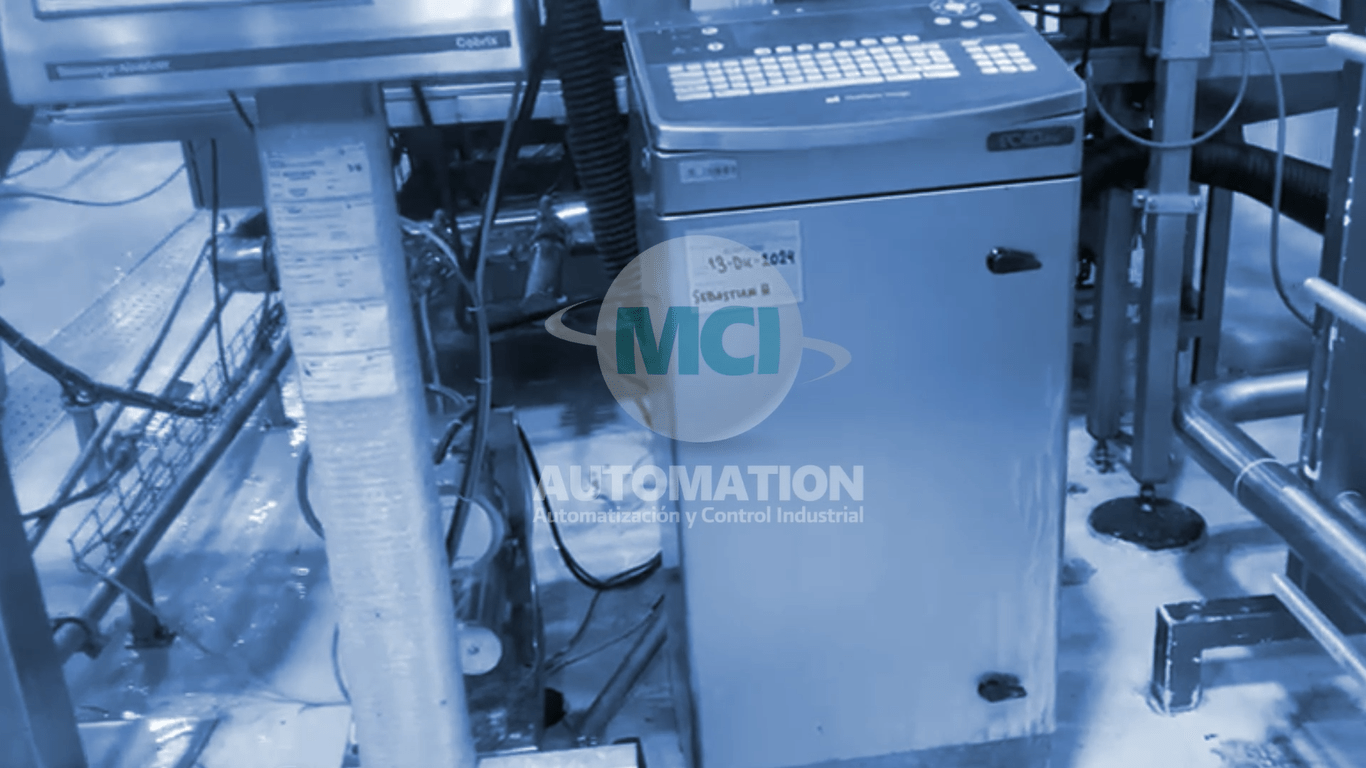
A few days ago, a company contacted us because their production line was at its breaking point.
Frequent stoppages, fluctuating consumption, and equipment operating in “just hanging on” mode.
A typical scenario when wear and tear accumulates and corrective maintenance is no longer sufficient.
But the client’s request was clear:
“We don’t want to change everything. Just what’s necessary to stabilize operations without shutting down the plant.”
And that’s where the real engineering work begins.
The action plan: cold, hard decisions, zero improvisation
To modernize a line without stopping it, the key is knowing exactly where to intervene.
Our approach was direct and strategic:
?? 1. Complete electrical survey
We needed a clear picture of the system’s condition to identify bottlenecks and risk points.
?? 2. Evaluation of protections, wiring, and distribution
We reviewed every breaker, wiring route, and circuit to find latent faults before they caused a shutdown.
?? 3. Diagnosis of Critical Drives and Sensors
Many pieces of equipment were already showing clear signs of wear: overheating, unstable readings, and speed variations.
?? 4. Phased Replacements
No plant shutdown.
The plan involved replacing necessary components in stages, keeping production running while increasing overall reliability.
With this information, the actual engineering was developed.
With the complete data in hand, we began to:
Define the project engineering.
Select appropriate materials and equipment.
Schedule interventions by phase.
Prepare documentation and logistics to avoid rework or downtime.
This is how a line should be modernized:
with analysis, strategy, and zero improvisation.
Conclusion
Modernization is not a leap into the void, nor is it a project that should halt operations. With accurate assessment and phased implementation, a worn-out line can regain stability and gain years of useful life.